
Pulaski County Arrest Records and Court Charges
Pulaski County arrest records come from the sheriff and jail side of the process. The official sheriff page links to a current-inmate roster, and that roster shows booking and charge information for people in custody or recently arrested. Visible roster fields include name, status, sex, height, weight, redacted address, arrest date, arresting agency, days in jail, total bond, warrant number, count, statute, charge description, misdemeanor or felony flag, and court. Those fields are useful, but they do not replace the court file.
Court charges after arrest move through the prosecutor and the court. Pulaski County is in the Oconee Judicial Circuit, and the District Attorney decides how felony charges move into formal filings. A charge listed on a roster may later be amended, dismissed, indicted, accused, pled, or sentenced. For the full case history, disposition, and sentence, use Pulaski County criminal court records. For current custody, bond, and roster fields, use the jail roster channel.
The Pulaski current-inmate roster is the clearest official public source for arrest-side charge fields.
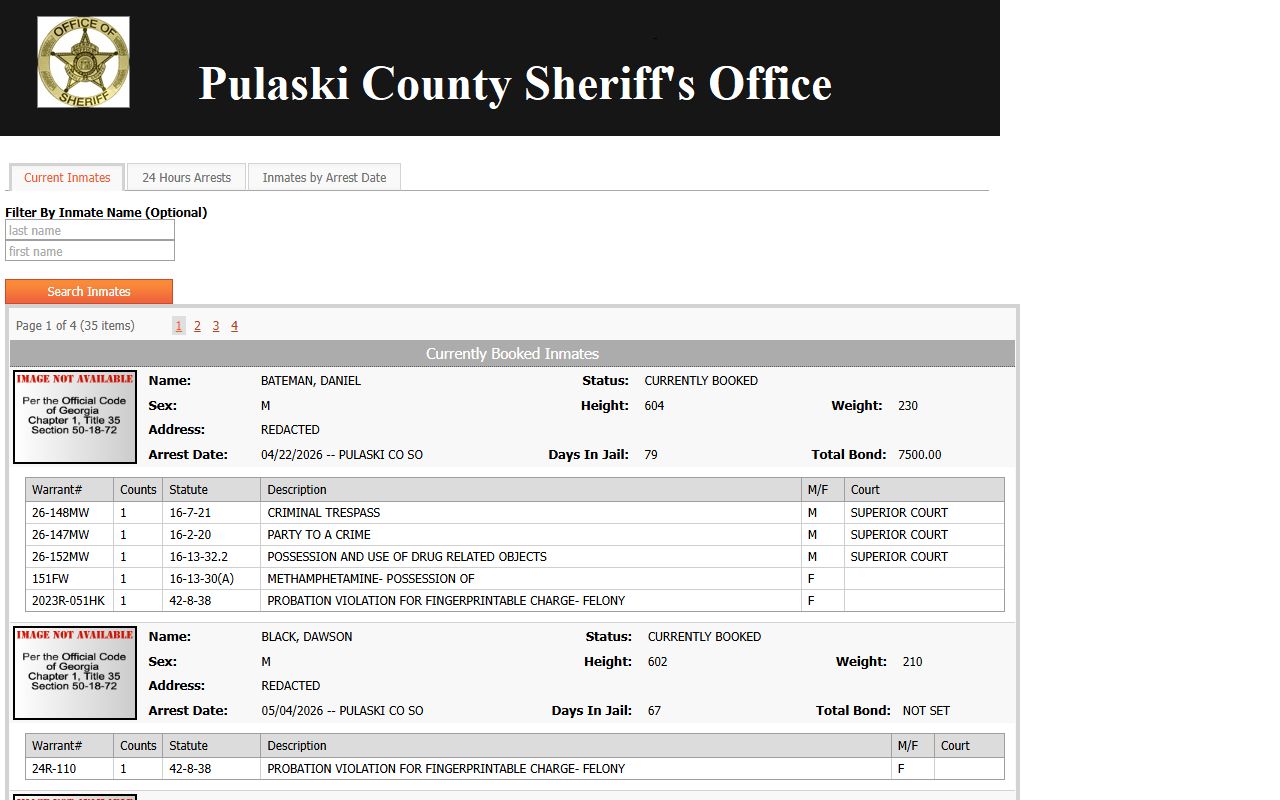
The roster confirms charge and warrant fields after booking, while the court case record confirms what happened to those charges later.
How to Find Pulaski County Arrest Records and Charges
Start with the record type. If the goal is custody status or booking detail, use the jail roster linked from the official sheriff page. If the goal is the formal charge filed in court, use the Georgia Courts e-access route for Pulaski Superior through PeachCourt, then call the Clerk of Superior Court if the case is not visible. If the person has moved from county jail to a state sentence, use the Georgia Department of Corrections offender search rather than the Pulaski jail roster.
- Search the Pulaski current-inmate roster for a recent booking or current custody record.
- Read the charge table for warrant number, count, statute, description, misdemeanor or felony flag, court, and bond context.
- For Superior Court charges, use the Georgia Courts e-access listing for Pulaski Superior and sign in to PeachCourt.
- Contact the Clerk of Superior Court for certified copies, older charge records, or case documents not available through the provider.
- Use GDC only when the person is a sentenced state-prison offender, not for every county arrest.
The Pulaski Sheriff's Department page links the jail report and inmate information tools, along with GBI record restriction and sex offender registry resources.
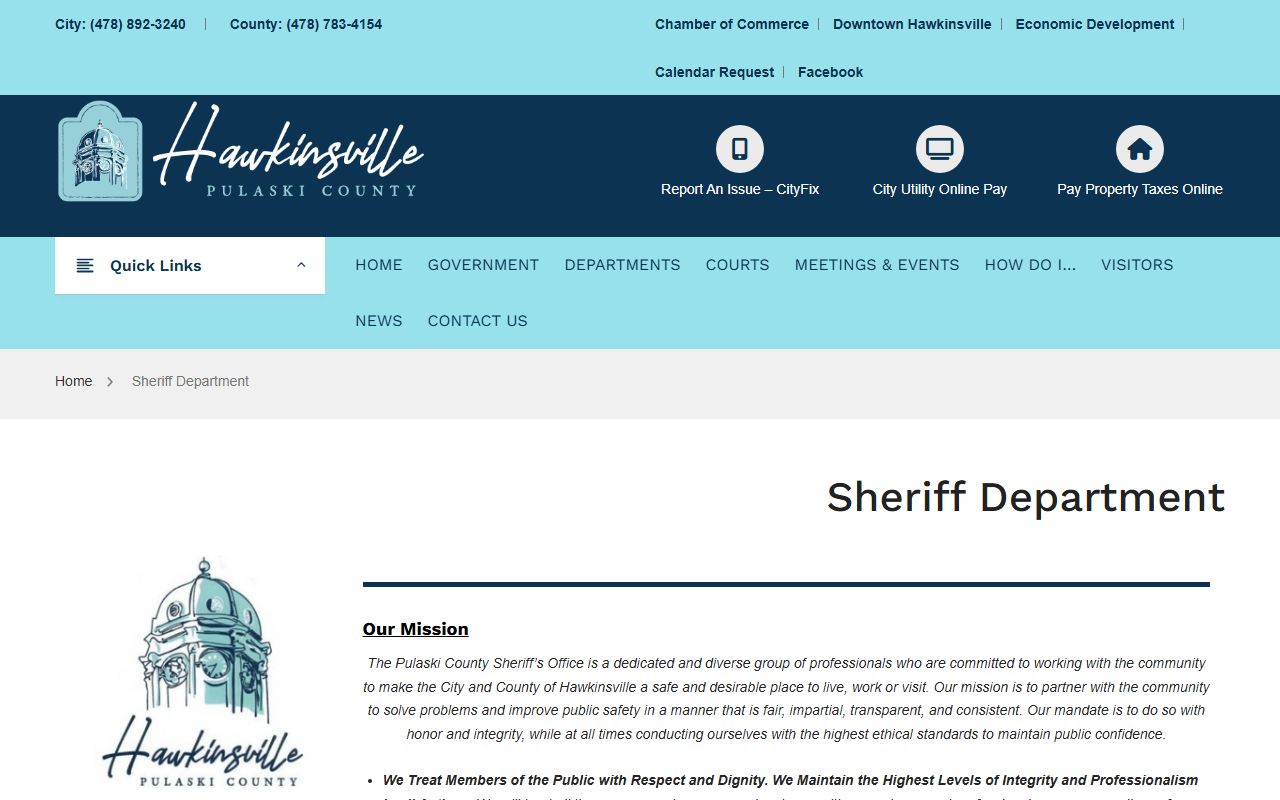
That official sheriff page is the source trail for the roster, but it does not publish a complete public database of every arrest charge or court outcome.
How Pulaski County Charges Get Filed
An arrest can begin with a warrant, officer action, or other law-enforcement process. The court charge record begins when the proper charging document or court filing is made. Georgia criminal filings can use terms such as accusation or indictment, and the research glossary defines an indictment as a grand-jury charging document. The key point for Pulaski County arrest records is that the booking charge is not always the final filed charge.
| Charging document | Who uses it | What it does |
|---|---|---|
| Complaint or warrant-related filing | Law enforcement, Magistrate Court, or prosecutor route depending on the matter. | Documents the alleged offense and may support arrest, bond, or early court action. |
| Accusation | Prosecutor. | Formal charging document used for some criminal prosecutions. |
| Indictment | Grand jury. | Formal grand-jury charge, often tied to felony Superior Court prosecution. |
The Oconee Judicial Circuit District Attorney listing identifies Timothy Vaughn as the DA. The DA is relevant to charging decisions, victim-witness questions, case status after charges are filed, and eligible record-restriction routing. The DA does not provide certified copies of Pulaski court files.
Pulaski County Charge Status Terms
A charge can change as the case moves from arrest to court. Pulaski roster fields can show an initial statute, description, court, and bond. The court file can later show whether the charge is pending, amended, dismissed, pled, sentenced, or otherwise disposed. When a user sees several counts from one arrest, each count should be read on its own because one count may move forward while another is dismissed.
| Status | What It Means |
|---|---|
| Pending | The charge is still open or awaiting the next court action. |
| Amended or reduced | The prosecutor or court record changed the filed charge from the initial version. |
| Dismissed | The charge was ended by court action and did not result in conviction on that count. |
| Plea or conviction | The charge resulted in a guilty plea, verdict, or other conviction entry. |
| Restricted | Public criminal-history access may be limited if Georgia restriction rules apply. |
Pulaski County Charge vs Conviction
Being arrested or charged is not the same as being convicted. Pulaski County arrest records may show a charge at the booking stage, and the court charge record may show that count as filed. A conviction only exists when the case outcome supports it, such as a guilty plea or guilty verdict. For employment, licensing, housing, or other regulated screening uses, a compliant background-check process is separate from casual public-record lookup.
| Charge | Conviction | |
|---|---|---|
| Stage | Arrest, warrant, accusation, indictment, or filed count. | Disposition, judgment, plea, verdict, or sentence entry. |
| Meaning | An allegation that must still move through court. | A court result that the person was found or pled guilty. |
| May appear on | Jail roster, charge table, docket, charging document. | Court disposition, sentence, criminal-history report, or DDS record for traffic-related convictions. |
| Can change | Yes, charges can be amended, reduced, dismissed, or added. | Only through court action, correction, appeal, or lawful restriction. |
Restricted Pulaski County Arrest Records
Georgia's public-access rules do not make every arrest or charge record open forever in the same form. Juvenile records, sealed files, adoption-related material, mental-health matters, victim information, minor names, Social Security numbers, financial account numbers, and sealed exhibits may be restricted or redacted. The Pulaski jail roster itself shows addresses as REDACTED, which is a local example of partial public access.
| Record limit | What it affects | Practical route |
|---|---|---|
| Sealed court file | Public access to a court file or part of it. | Ask the court or clerk about the sealing order and Rule 21 process. |
| Criminal-history restriction | Access to eligible criminal history for non-criminal-justice purposes. | Follow GBI rules under O.C.G.A. 35-3-37. |
| Juvenile restriction | Minor-related court records and agency access. | Access is usually limited to authorized parties or court order. |
The GBI sex offender registry information is a different public-safety system and should not be confused with a general arrest-record search.
Registry status is governed by state law and GBI responsibilities, while ordinary court charges still have to be read through the court record.
Charge Codes and Roster Fields
The Pulaski roster charge table is specific enough to help identify the arrest-to-court path. It lists warrant number, counts, statute, description, misdemeanor or felony flag, and court. Example courts observed in the research were Superior Court and Magistrate Court. Example bond values included dollar amounts, NOT SET, and DENIED. Example charge types included criminal trespass, party to a crime, possession or use of drug-related objects, methamphetamine possession, probation violation for fingerprintable charge, aggravated assault, criminal damage to property, and bench warrant misdemeanor.
| Roster field | What it tells you |
|---|---|
| Warrant # | A warrant or charge identifier tied to the booking entry, not always the final case number. |
| Counts | The number of separate counts listed under that charge line. |
| Statute | The Georgia Code section or local shorthand shown by the roster. |
| Description | Plain charge label such as probation violation or criminal trespass. |
| M/F | Misdemeanor or felony flag where populated. |
| Court | The court tied to the charge, such as Superior Court or Magistrate Court. |
Note: Roster charge fields help locate the court path, but they do not show the full motion history, plea, or sentence.
Statewide Charge and Criminal History Lookups
Statewide systems serve different needs from county arrest records. The GDC offender search is for sentenced state-prison offenders and other GDC records. It is not the first place to check a fresh Pulaski arrest. The Georgia.gov offender-search explainer notes that searches can use identifiers such as name, GDC ID, case number, age, and other fields when searching state offender information.
GDC can confirm a state correctional record after sentencing, while the jail roster and court file explain the local arrest and charge path.
The Georgia.gov offender-search information gives the broader state context for searches that go beyond the Pulaski County jail.
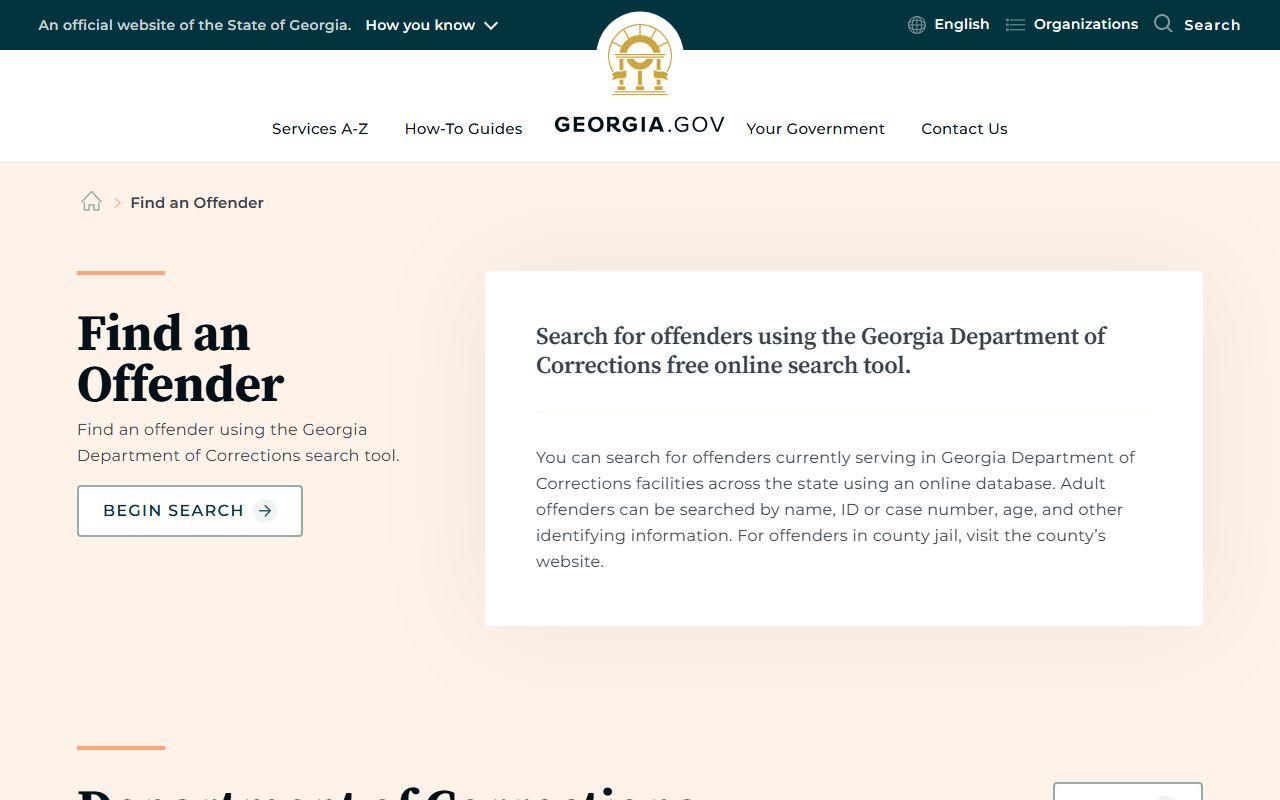
Use the state offender channel only after the case has moved into state correctional custody or when a statewide offender record is the goal.
GBI Records and Charge Limits
GBI channels should be used with care. The GBI record restriction page explains how eligible Georgia arrests may be restricted under O.C.G.A. 35-3-37. For arrests after July 1, 2013, GBI says there is no separate application process through GBI and the person must contact the prosecutor. For Pulaski felony and Superior Court matters, that usually means the Oconee Judicial Circuit District Attorney. For arrests before that date, the person applies at the arresting agency.
The Georgia sex offender public search is separate from ordinary arrest or court charge lookup.
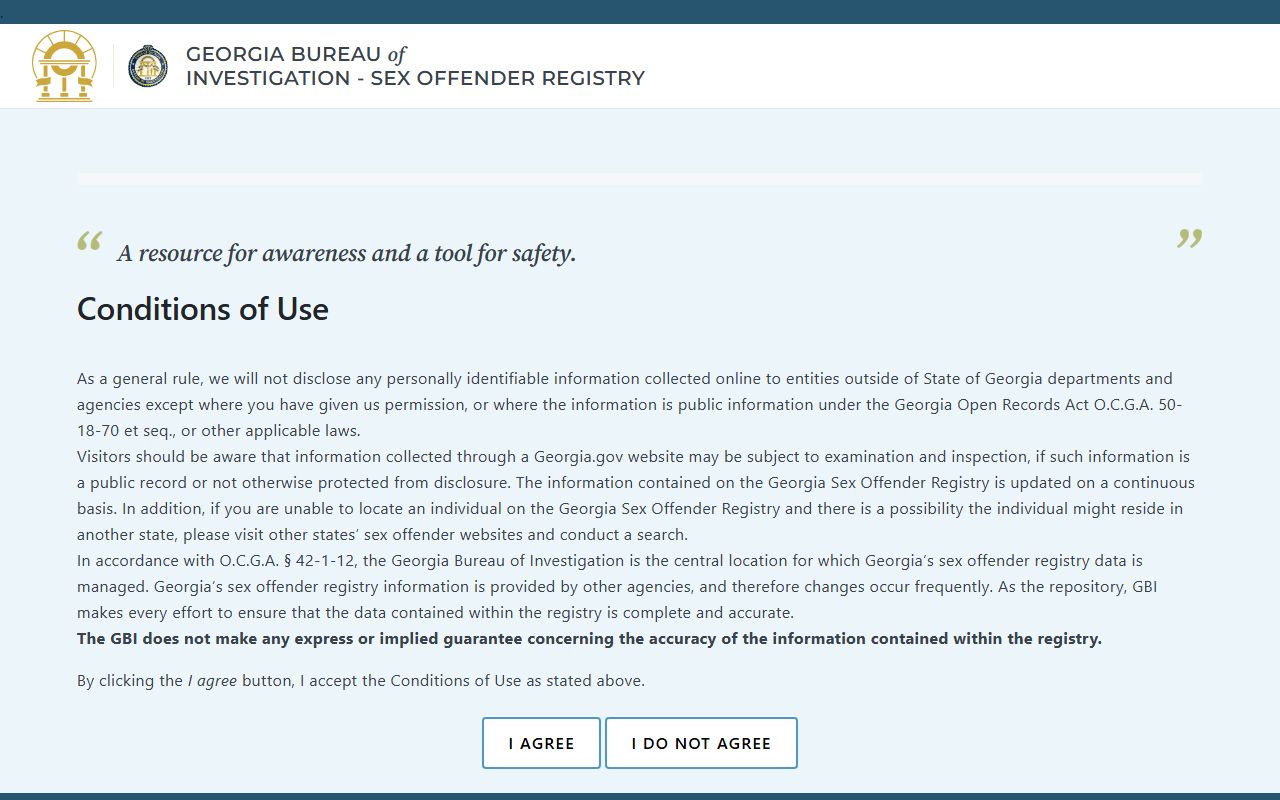
A registry result should not be used as a substitute for reading the charge, disposition, and sentencing entries in the actual Pulaski court file.
Important: A Pulaski arrest charge can be public without being a conviction, so always verify the court disposition.